Effective Recovery Coaching in Canada: Why Training, Experience, and Recovery Coach Certification in Canada Matter
by Michael Walsh

Understanding Recovery Coaching in Canada and Why Certification Matters
If you’ve reached a point where you know something needs to change with your drinking or substance use, you’re not alone. I’ve worked with many people who felt exactly where you are right now, unsure where to begin, but knowing they couldn’t keep going the same way.
While making a change can feel overwhelming, I want you to know that it’s possible. I’ve been through this journey myself, and I’ve had the privilege of supporting hundreds of clients as they rebuilt their lives in ways they once thought weren’t achievable.
As more people explore recovery coaching in Canada, questions around training, experience, and recovery coach certification in Canada are becoming increasingly important. Not all coaches offer the same level of support, and understanding what truly qualifies someone to help can make a meaningful difference in your recovery journey.
This is why I believe that proper training, supervision, and real-world experience are essential.
When you choose to work with someone qualified, like myself and my team, you’re not just getting support; you’re building a foundation for lasting, meaningful change.
Key Takeaways
- Recovery coach certification in Canada helps identify coaches who have completed formal training and follow professional standards.
- Effective recovery coaching combines education, supervision, real-world experience, and a client-centred approach.
- Recovery coaching provides practical support, accountability, and guidance for people looking to reduce or stop substance use.
- The right recovery coach can help you create a recovery plan that fits your goals, lifestyle, and unique circumstances.
- Recovery is not one-size-fits-all, and personalized support can play an important role in building lasting change.
Why Credentials Matter When Choosing a Certified Recovery Coach
I tend to be an optimistic person, but I’m also realistic about what people are going through. The truth is, a lot of people are struggling with alcohol or substance use, and not everyone reaches out for help at the same stage.
Some catch it early and make changes quickly, while others need to experience more serious consequences before they’re ready to take that step. Wherever you are in that process, you’re in the right place.
Over the years, I’ve also seen more people becoming interested in this field and exploring paths like how to become a sober coach, which I think is a positive shift. The more support available, the better. But at the same time, it’s important to understand that not all recovery coaching is the same.
In Canada, coaches are not always required to have formal certification before working with clients. That’s exactly why recovery coach certification in Canada matters. It helps distinguish those who have gone through proper training, supervision, and real-world experience from those who may be relying on personal experience alone.
In my work as an addiction recovery coach, I often support clients through structured programs such as my Home Based Recovery Online Addiction Treatment when additional support is needed. My role is to help you reduce or stop substance use while building a healthier and more fulfilling life because I’ve seen how complex recovery can be.
A well-trained, coach-certified professional understands those boundaries. They know when to support you directly and when to connect you with other professionals if needed. In my experience, this isn’t just good practice; it’s an ethical responsibility and a key part of helping someone build lasting change.
The Difference Between Experience and Professional Training
I often meet people who are exploring how to become a sober coach, usually after going through their own recovery journey. That experience is powerful, and I respect it deeply.
But over the years, I’ve learned that effective coaching requires more than personal experience. It requires:
- Formal training through addiction recovery coaching programs
- Supervision and mentorship
- Clear ethical guidelines
- An understanding of mental health boundaries
- Ongoing learning and development
This is the standard I hold for myself and for the coaches who work with me. It’s how we ensure that every client receives support that is both compassionate and professionally grounded.
The Components of Effective Recovery Coaching
Recovery is one of the most powerful transformations I’ve witnessed, both in my own life and in the lives of the people I’ve worked with.
For coaching to be effective, there are several key components that I believe must be in place.
Education and Training
A structured recovery coach program gives you the tools to support clients in a safe, ethical, and effective way.
Supervision and Mentorship
Even as an experienced coach, I continue to value supervision. It keeps me accountable and ensures I’m always growing.
Real-World Experience
Working with clients over time teaches you things that no course alone can provide. This is where real confidence and skill are developed.
A Client-Centred Approach
In my work, the client is always at the centre. I don’t follow a one-size-fits-all system. Instead, I work with you to build a recovery plan that reflects your goals, your values, and the life you want to create.
How My Team and I Support Your Recovery
When you work with me and my team, you’re not getting a generic approach. We take the time to understand your situation and support you in a way that feels realistic and achievable.
Here’s what that looks like:
- Clarify why they want to make a change
- Identify patterns that may be holding them back
- Build a recovery plan that feels realistic and sustainable
- Stay motivated through the more difficult moments
If you’re looking for additional support, you can also explore ways to stay motivated in recovery.
This process is collaborative. I walk alongside you, helping you move forward step by step.
Why Choosing the Right Recovery Coach Matters
I’ve seen firsthand how much of a difference the right support can make.
In many cases, clients also benefit from working with someone who has experience in alcohol intervention and is coach-certified, especially when additional structure and guidance are needed during more challenging stages of recovery.
Choosing someone with a recovery coach certification in Canada means you’re working with a professional who:
- Understands the limits of their role
- Knows when to involve other professionals
- Provides structured and ethical guidance
- Focuses on long-term, meaningful change
In my experience, the quality of support you receive can directly influence your recovery outcomes.
What I’ve Seen Supporting Clients Across Canada and Beyond
In my work, I’ve had the opportunity to support a variety of clients. One thing I’ve learned is that while every recovery journey is unique, the need for understanding, structure, and the right support is something we all share.
No matter where someone comes from or what their background is, recovery is deeply personal. That’s why I focus on meeting each client where they are, rather than applying a one-size-fits-all approach. What works for one person may not work for another, and it’s my role to help you find a path that feels realistic and sustainable.
At the same time, it’s important to ground this work in proven knowledge and trusted guidance. According to the Canadian Centre on Substance Use and Addiction, personalized and community-based approaches lead to stronger recovery outcomes.
This aligns with what I’ve seen in practice. When support is tailored, consistent, and guided by proper training, people are far more likely to build lasting change in their lives.
Working Together to Build Your Recovery Plan
I know how difficult it can be to reach this point. Deciding to make a change is not easy, but it’s one of the most important steps you can take.
When you’re ready, I’m here to support you.
I’m an accredited Addiction Recovery Coach offering worldwide virtual support and in-person support across Canada. If you’re interested in exploring 1:1 recovery coaching to help you cut back your drinking or stop drinking entirely, I’m happy to answer your questions.
I offer a no-charge consult call to anyone who has questions about their own substance use or the substance use of a family member. These calls are completely confidential with no pressure to decide before you feel entirely ready.
If you’re ready to explore the potential of working together, I’d love to chat. Michael is based in Victoria, British Columbia in Canada. The other Recovery Coaches on the team are based in Nanaimo, Vancouver, British Columbia, Calgary, Edmonton, Alberta, Toronto, Ontario, Montreal, Quebec, and Halifax, Nova Scotia. Because we all work virtually, we can work with anyone, no matter what city, province, or country around the world. We have clients all across Canada and the USA, Seattle, Los Angeles, Dallas, Miami, New York City, Denver, Nashville, Berlin, Tel Aviv, London, Singapore, and Australia.
If you’d like to learn more about my journey, you can read my personal story here.
Michael Walsh
When I say I’ve been there, I mean it. I understand how challenging this journey can be, and I’m committed to helping you build a better, healthier, and more fulfilling life.
Phone or Text: 250.896.8494
Email: Coach@MichaelWalsh.com
Connect On Social
LinkedIn | Facebook | Instagram
Frequently Asked Questions
What is a certified recovery coach?
A certified recovery coach is someone who has completed formal training to help people make positive changes around alcohol or substance use. They provide guidance, accountability, and support throughout the recovery process.
Why does recovery coach certification matter?
Certification shows that a coach has received professional training and follows ethical standards. It also helps ensure you receive support that is informed, structured, and focused on your goals.
Can a recovery coach help me if I'm not ready to quit completely?
Yes. Recovery coaching is not one-size-fits-all. Michael and his team work with people at different stages of change, whether they want to cut back, explore their options, or stop using substances altogether.
How is recovery coaching different from therapy?
Recovery coaching focuses on practical support, goal setting, and helping you move forward in your daily life. Therapy often explores deeper emotional, psychological, or mental health concerns.
Can I work with a recovery coach online?
Yes. Michael and his team provide virtual recovery coaching across Canada and internationally. This allows you to access support from the comfort and privacy of your own home.
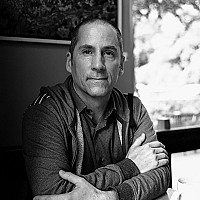
About the Author
Michael Walsh
When I say I’ve been there, I mean it. I am a different person now, and I am fired up about helping other people get to the place where they, too, are living better, healthier, and bigger lives.