Managing Alcohol and Anxiety: Expert Strategies for Better Mental Health
by Michael Walsh

Many people experience the difficult connection between alcohol and anxiety. You may drink to take the edge off stress, only to feel more overwhelmed, irritable, or tense afterward. This cycle can be confusing and frustrating, especially when you are trying to balance work, relationships, and your mental health. We support individuals across British Columbia who want practical, compassionate, and evidence-based help navigating these challenges.
Understanding how alcohol and anxiety interact is the first step toward becoming more grounded and emotionally steady. With the right guidance and coping strategies, you can move forward with confidence and stability.
How Alcohol and Anxiety Influence Each Other
Many people ask Can alcohol cause anxiety, or does alcohol make anxiety worse because they notice the emotional rebound after drinking. Alcohol may feel calming at first, but it often disrupts emotional well-being in the long term.
Alcohol affects the brain in ways that can:
- Lower natural calming chemicals
- Increase stress hormones
- Interfere with sleep
- Heighten emotional sensitivity
Once the temporary calming effect wears off, your body reacts by increasing tension and reactivity. The result is often more worry, irritability, or panic the next day. Over time, this creates a cycle of anxiety and alcohol that becomes harder to break without support.
The positive news is that with informed strategies and professional care, you can interrupt this pattern and regain a sense of control.
Why Drinking Alcohol Causes Anxiety Later
People often wonder does drinking alcohol causes anxiety or why the next day feels so emotionally heavy? The answer lies in how the body metabolizes alcohol and restores balance.
After drinking, the body rebounds by:
- Increasing excitatory neurotransmitters
- Disrupting normal sleep cycles
- Creating an early morning waking
- Lowering mood and emotional resilience
These changes can leave you feeling shaky, stressed, or unsettled. Even small amounts of alcohol can trigger this effect depending on your sensitivity, your stress levels, or your drinking patterns.
A helpful reference from the Canadian Centre on Substance Use and Addiction explains how alcohol affects mental health.
Understanding why this happens empowers you to make informed decisions and build healthier coping habits.
Healthier Ways to Cope With Alcohol and Anxiety
Managing alcohol and anxiety requires tools that support emotional balance and reduce stress. You do not need complicated routines. Small, consistent actions can create meaningful progress.
Build Awareness of Triggers
Triggers can include stress, loneliness, pressure to socialize, or even certain routines like evening downtime. Naming your triggers gives you more control over your choices.
Improve Sleep Habits
Alcohol often disrupts restorative sleep, which increases anxiety. A healthy sleep routine can significantly improve emotional stability.
Examples include:
- Avoiding drinking before bed
- Using gentle relaxation exercises
- Keeping a consistent bedtime
- Reducing screen use in the evening
Try Alternative Evening Activities
Replacing alcohol with calming habits can reduce anxiety long-term.
Examples include:
- Stretching
- Listening to calming music
- Drinking herbal tea
- Warm showers
- Slow walks
Practice Mindfulness and Grounding
Simple grounding practices can help regulate emotions and reduce urges to drink.
Examples include:
- Slow breathing
- Short journaling sessions
- Noticing what you can see or hear
- Focusing on body sensations
Connect With Support
Isolation increases anxiety. Talking openly with someone who understands can help you feel more grounded. We provide a compassionate environment where you can explore your experiences and build healthier emotional patterns.
How Michael and His Team Support Your Mental Health
We provide confidential, online, and BC wide support for people navigating anxiety and alcohol use. Our approach is client-centred and focuses on understanding your story, your strengths, and what matters most to you.
Our support includes:
- Relationship Counselling
- Recovery Coaching
- ADHD Coach
- Sober Companion
- Therapy & Counselling
- Family Therapy & Support
- Interventions
- Outpatient Addiction Treatment
- Online Addiction Treatment
- Alcohol Intervention in Victoria
- Anxiety Counselling
- Depression Counselling
- Substance Abuse Counsellor
Sessions are flexible, private, and supportive. Whether you want to reduce drinking, understand why you feel more anxious after alcohol, or rebuild your emotional foundation, our team is here to help every step of the way.
Conclusion
You can break the cycle of alcohol and anxiety. With the right strategies and compassionate support, it is possible to feel calmer, clearer, and more grounded. Michael and his team are dedicated to helping you regain balance and build healthier habits that last. You deserve support that meets you where you are and helps you move toward a more stable future.
Reaching out is a strong and empowering choice that can change the direction of your life. Each step you take toward support opens the door to healing, clarity, and greater confidence. The path forward becomes easier when you have a dedicated team walking beside you.
Call 250.896.8494 or email Coach@MichaelWalsh.com to begin your next steps.
Frequently Asked Questions
Can alcohol cause anxiety even for occasional drinkers?
Yes, alcohol can cause anxiety even when used occasionally because it disrupts natural brain chemistry and affects sleep. These changes can lead to increased worry and emotional sensitivity. Our team can help you understand how this applies to your personal situation and provide healthier coping tools.
Does alcohol cause anxiety to worsen over time?
Alcohol often makes anxiety worse as your body becomes more sensitive to its effects. This can lead to a cycle where you drink to relax but feel more anxious afterward. Our team supports clients in breaking this cycle through compassionate guidance and evidence-based strategies. Reach out anytime at 250.896.8494 or email Coach@MichaelWalsh.com.
Why does drinking alcohol cause anxiety the next day?
When alcohol leaves the body, chemicals related to stress and alertness increase. This can lead to next-day anxiety, poor sleep, and trouble focusing. We can help you develop tools that reduce these effects and support long-term emotional stability.
Can reducing alcohol improve anxiety symptoms?
Many people notice less worry, better sleep, and improved clarity when they reduce drinking. Cutting down helps stabilize the brain and reduces emotional rebound. Our team provides personalized support to make this process manageable and encouraging. Connect with us at 250.896.8494 or email Coach@MichaelWalsh.com.
How can you help me manage alcohol use and anxiety together?
We offer integrated care that addresses both alcohol use and anxiety at the same time. This includes online addiction counselling, mental health counselling BC, coping tools, and relapse prevention planning. Working with our team strengthens emotional resilience and supports long-term change. Contact us today at 250.896.8494 or email Coach@MichaelWalsh.com.
Get Help Creating Your Personal Roadmap
It can feel overwhelming to realize that alcohol and anxiety are affecting your life more than you would like. For some people, the goal is cutting back. For others, it is stopping entirely. There is no single right pace, and there is no pressure to make decisions before you feel ready.
Things often feel less frightening when you have an experienced guide to help you sort through what is happening and what feels possible next.
I am an accredited Addiction Recovery Coach offering worldwide virtual support, along with in-person support across Canada. If you are curious about one-to-one recovery coaching and want help creating a plan that fits your life, I am always happy to answer your questions.
I offer a no-charge consult call for anyone who has questions about their own substance use or the substance use of a loved one. These conversations are confidential and completely pressure-free.
If you would like to learn more about how I came to do this work, I invite you to read more about my personal story.
I’d also like to invite you to read more about my personal story here.
Michael Walsh
Phone or Text: 250.896.8494
Email: Coach@MichaelWalsh.com
Chat: Start a WhatsApp chat
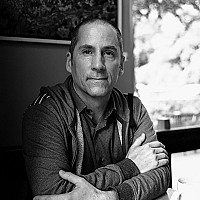
About the Author
Michael Walsh
When I say I’ve been there, I mean it. I am a different person now, and I am fired up about helping other people get to the place where they, too, are living better, healthier, and bigger lives.