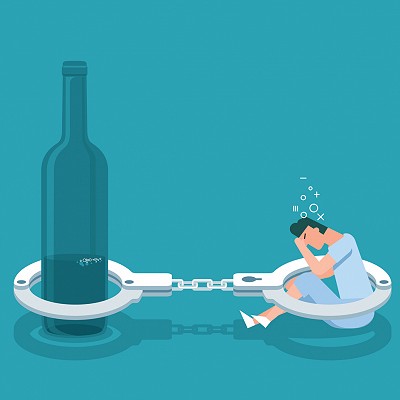
Redefining Success in Addiction Recovery: A Holistic Perspective
by Michael Walsh

Redefining Success in Addiction Recovery: A Holistic Perspective
As an Addiction Specialist based in Victoria, BC, with years of experience in the field, I have dedicated my career to supporting individuals on their path to recovery. Through my private practice and the innovative Home Based Recovery Online Addiction Treatment program that I co-created, I work with clients from all walks of life, helping them navigate the complex terrain of addiction. One question that occasionally arises during initial consultations is about success rates: "What is your success rate for clients in addiction recovery?" It's a valid inquiry, rooted in the desire for hope and assurance. However, I choose never to declare a fixed success rate. Why? Because recovery isn't a statistic—it's a deeply personal, evolving journey. In this article, I'll break down my philosophy on success in addiction recovery, exploring why traditional metrics fall short, the realities of relapse, the importance of accumulated progress, and how true success extends far beyond mere abstinence. By understanding these elements, we can foster a more compassionate, realistic approach to healing.
Why I Avoid Declaring Success Rates
In the addiction recovery industry, many programs tout impressive success rates—often percentages like 70% or 80%—to attract clients. These figures might stem from short-term studies or selective data, but they rarely capture the full picture. As an addiction specialist, I believe declaring a universal success rate is misleading and potentially harmful. Success in recovery isn't binary; it's not a pass/fail exam. What works for one person may not for another, influenced by factors like personal history, support systems, co-occurring mental health issues, and environmental triggers.
Consider this: A client who achieves six months of sobriety but then relapses might be deemed a "failure" under a rigid success metric. Yet, during those months, they could have rebuilt relationships, gained employment, or developed coping skills that set the foundation for future attempts. By avoiding success rates, I encourage clients to focus on their unique goals rather than comparing themselves to an abstract average. This approach aligns with evidence-based practices from organizations like the Substance Abuse and Mental Health Services Administration (SAMHSA), which emphasize individualized treatment plans.
In my Home Based Recovery program, offered online for accessibility, we prioritize tailoring strategies to each client's needs. Whether it's cognitive-behavioral therapy, mindfulness practices, or family involvement, the emphasis is on progress, not perfection. Declaring a success rate could create unrealistic expectations, leading to discouragement if those benchmarks aren't met. Instead, I foster open dialogues about what recovery means to them, setting the stage for authentic growth.
The Reality of Relapse: No Sugarcoating
Relapse rates in addiction recovery are notoriously high, and I make it a point never to sugarcoat this truth. According to the National Institute on Drug Abuse (NIDA), relapse rates for substance use disorders hover between 40-60%, similar to those for chronic conditions like hypertension or diabetes. This isn't a sign of weakness or program failure; it's a reflection of addiction's nature as a chronic brain disease.
In my practice in Victoria, BC, I educate clients about the science behind relapse. Addiction rewires the brain's reward system, making cravings persistent even after periods of abstinence. External stressors—job loss, relationship issues, or even positive events like celebrations—can trigger a return to use. By being upfront, I help clients prepare for potential setbacks, viewing them as learning opportunities rather than defeats.
For instance, a client in my online program might experience a slip after months of progress. Instead of judgment, we analyze the triggers, adjust the plan, and build resilience. This harm reduction approach acknowledges that complete abstinence isn't always immediate or sustainable. Some clients may reduce usage gradually, minimizing risks while working toward long-term goals. Sugarcoating relapse risks erodes trust; honesty builds it, empowering clients to persist.
Relapse doesn't erase prior achievements. It's part of the process for many, and recognizing this normalizes the experience. In group sessions via Home Based Recovery, clients share stories of relapse and recovery, creating a supportive community that destigmatizes these events.
Accumulated Success: Recovery Over Time
Recovery is not a sprint but a marathon, unfolding over time with accumulated successes. I often tell clients that progress is like stacking bricks—one small victory at a time builds a sturdy foundation. This perspective shifts focus from immediate outcomes to long-term development.
In traditional models, success might be measured by days sober. But in my holistic approach, we celebrate milestones like attending therapy consistently, improving sleep habits, or engaging in hobbies. These accumulated successes compound, leading to profound changes. For example, a client struggling with alcohol dependence might start by journaling emotions, then incorporate exercise, eventually leading to sustained sobriety.
Through Home Based Recovery Online Addiction Treatment, accessible from anywhere, clients receive ongoing support via virtual sessions, resources, and check-ins. This continuity allows for tracking progress over months or years. One client, after multiple relapses, accumulated skills in stress management that enabled her to handle a family crisis without turning to substances—a huge win, even if not total abstinence yet.
Research supports this: A study in the Journal of Substance Abuse Treatment highlights that recovery capital—personal, social, and community resources—builds incrementally, predicting better outcomes. By emphasizing accumulation, we avoid the all-or-nothing trap, motivating clients through visible growth.
Beyond Abstinence: A Broader Definition of Success
Success in addiction recovery transcends stopping drinking or using drugs. It's about reclaiming a fulfilling life. In my work, I define success holistically: improved mental health, stronger relationships, financial stability, and personal fulfillment.
For many clients, addiction masks underlying issues like trauma or anxiety. Addressing these through integrated therapies in my Victoria-based practice leads to broader healing. A client might achieve sobriety but still feel empty if relationships remain strained—true success involves mending those bonds.
In the Home Based Recovery program, we incorporate life skills training, career counseling, and wellness coaching. Success could mean a client pursuing education, volunteering, or simply enjoying daily activities without substances. This multifaceted view aligns with the World Health Organization's definition of health as complete physical, mental, and social well-being.
By broadening success, we accommodate diverse client needs. For some, harm reduction—reducing use to safer levels—is a valid path. Others aim for total abstinence. Either way, the goal is enhanced quality of life.
To Summarize
As Michael Walsh, Addiction Specialist in Victoria, BC, and operator of Home Based Recovery Online Addiction Treatment, my refusal to declare success rates stems from a commitment to authenticity and individualized care. By breaking down the myths of fixed metrics, acknowledging relapse realities, valuing accumulated progress, and expanding success definitions, we create a supportive framework for lasting change. Recovery is messy, nonlinear, and deeply rewarding. If you're on this journey, know that every step counts. Reach out—together, we can redefine what success means for you.
Get Help Creating Your Personal Roadmap
It can be really scary to arrive at the realization that you have a drinking problem, no matter how big or small. We work with all sorts of situations especially if clients are tentative about stopping completely right away — that's OK! We can work with you at your pace!
But it’s a lot less scary when you have an experienced guide to help you sort things out.
I’m an accredited Addiction Recovery Coach offering worldwide virtual support, and in-person support across Canada. If you’re interested in exploring 1:1 recovery coaching to help you cut back your drinking or stop drinking entirely, I’m happy to answer your questions. Is Recovery Coaching for you?
I offer a no-charge consult call to anyone who has questions about their own substance use, or the substance use of a family member. These calls are completely confidential with no pressure to make a decision before you feel entirely ready.
I’d also like to invite you to read more about my personal story here.
Michael Walsh
Phone or Text: 250.896.8494
Email: Coach@MichaelWalsh.com
Chat: Start a WhatsApp chat

About the Author
Michael Walsh
When I say I’ve been there, I mean it. I am a different person now, and I am fired up about helping other people get to the place where they, too, are living better, healthier, and bigger lives.