Understanding Video Gaming Addiction: Causes and Effects
by Michael Walsh
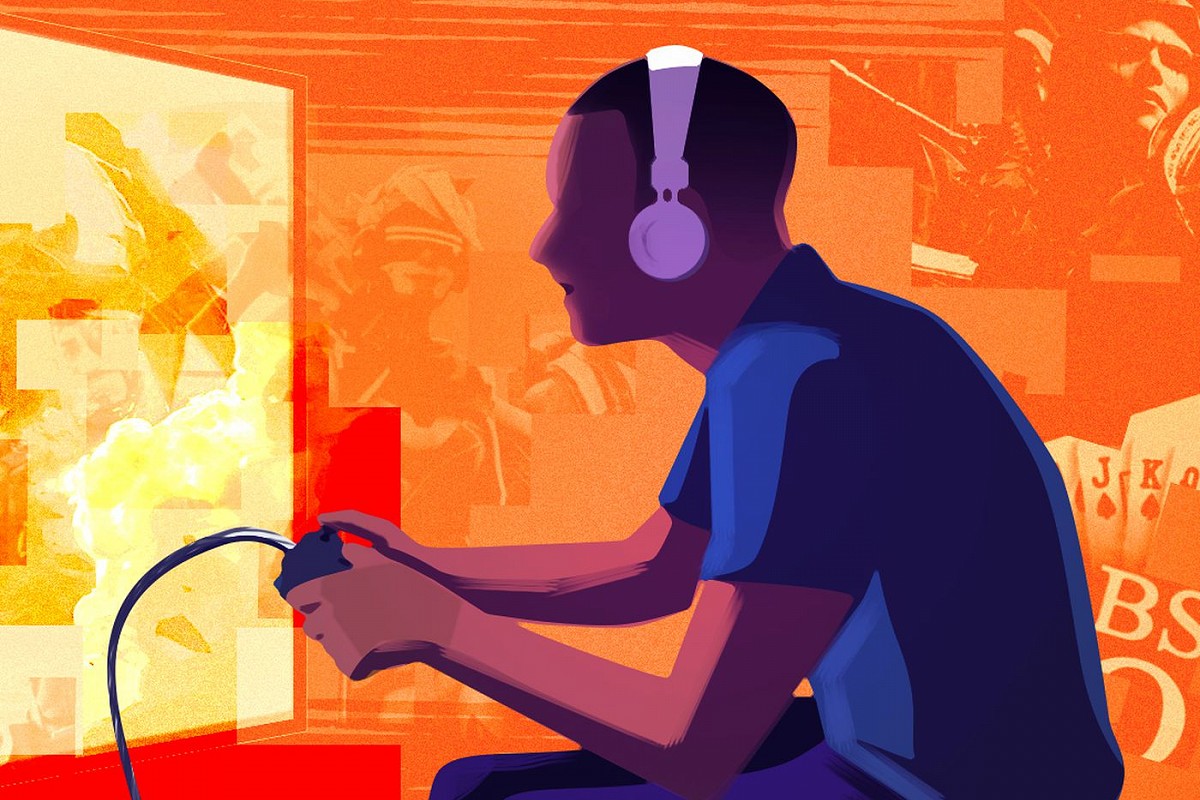
Online Gaming Use Disorder
In the fast-paced world of digital entertainment, video gaming has evolved into a ubiquitous pastime. While gaming offers numerous benefits, from entertainment to cognitive stimulation, an emerging concern has surfaced: video gaming addiction. The allure of virtual worlds can sometimes lead to compulsive behaviors that impact mental health and well-being. This article delves deep into understanding the causes and effects of video gaming addiction, shedding light on this intricate issue.
Defining Video Gaming Addiction
Video gaming addiction, also known as gaming disorder, refers to the excessive and compulsive use of video games, leading to significant impairment in various aspects of life. Recognized by the World Health Organization (WHO) as a mental health condition, gaming disorder involves persistent and escalating gaming behavior, prioritizing gaming over other activities, and continuing despite negative consequences.
Causes of Gaming Addiction
Several factors contribute to the development of gaming addiction:
1. Psychological Factors:
- Escape and Coping Mechanism: Gaming can become an escape from real-life stressors, offering a temporary refuge.
- Reward Mechanisms: Games often provide rewards, triggering the brain's pleasure centers and reinforcing addictive behaviors.
- Underlying Mental Health Conditions: Individuals with anxiety, depression, or attention-related disorders might be more susceptible to gaming addiction.
2. Social and Environmental Factors:
- Peer Pressure: Social circles heavily immersed in gaming can influence addictive tendencies.
- Access and Availability: Easy access to games through various devices and platforms contributes to prolonged gaming sessions.
- Lack of Alternative Activities: Limited options for recreational activities or social interactions can lead to excessive gaming as the primary source of entertainment.
3. Game Design:
- Engagement Techniques: Game developers employ strategies like in-game rewards, social interaction features, and progression loops that encourage extended play.
- Microtransactions and Loot Boxes: Monetization tactics within games can incentivize spending more time and money, potentially fueling addictive behaviors.
Effects of Gaming Addiction
1. Mental Health Impacts:
- Anxiety and Depression: Excessive gaming can exacerbate or trigger mental health conditions.
- Social Isolation: Spending prolonged hours gaming can lead to withdrawal from real-life social interactions.
- Impaired Cognitive Function: Long gaming sessions may lead to decreased attention spans and difficulties in concentration.
2. Physical Health Consequences:
- Sedentary Lifestyle: Extended periods of gaming often accompany a lack of physical activity, contributing to health issues like obesity.
- Sleep Disturbances: Irregular gaming schedules can disrupt sleep patterns, leading to sleep deprivation.
3. Academic and Occupational Challenges:
- Decline in Performance: Excessive gaming can result in poor academic or work performance due to neglect of responsibilities.
- Interpersonal Conflicts: Neglecting relationships in favor of gaming can strain personal and professional connections.
Addressing Video Gaming Addiction
Addressing gaming addiction requires a multi-faceted approach:
1. Awareness and Education:
- Educating individuals, parents, and communities about the signs and risks of gaming addiction is crucial for early intervention. An exceptional resource in Canada founded by Cam Adair is called Game Quitters. Cam Adair is a person with lived experience who turned it all around and is now a sought after speaker and educator in all things "gaming addiction." Elaine Uskoski from Eye Spy Health is also an expert on Gaming Addiction and is based in Canada.
2. Setting Boundaries and Balancing Activities:
- Encouraging a balanced lifestyle with designated gaming hours alongside other activities promotes moderation and reduces the risk of addiction.
3. Seeking Professional Help:
- For severe cases, seeking help from mental health professionals or support groups specialized in gaming addiction can provide valuable assistance and guidance. We can help provide a referral to a qualified Clinical Psychologist in Victoria BC or resource one in the city you are in to get an expert evaluation of your situation which would provide a diagnosis and a helpful treatment plan to move forward with.
Video gaming addiction is a complex issue influenced by various factors encompassing psychological, social, and environmental elements. Understanding the causes and effects of gaming addiction is crucial in developing effective prevention and intervention strategies. By promoting awareness, fostering moderation, and seeking appropriate support, individuals can enjoy the benefits of gaming while mitigating the risks associated with excessive gaming behaviors.
Remember, gaming, like any other activity, should be a source of enjoyment and relaxation rather than an all-consuming habit that compromises mental health and well-being. Striking a balance and staying mindful of one's gaming habits is key to maintaining a healthy relationship with video games.
Get Help Creating Your Personal Roadmap
It can be really scary to arrive at the realization that you have a problem with gaming no matter how big or small.
But it’s a lot less scary when you have an experienced guide like Todd Adams to help you sort things out like. Here is a short 9 Signs of Video Game Addiction By Elaine Uskoski from Elaine Uskoski's website that might provide some perspective on your situation.
Todd is an accredited Gaming Recovery Coach offering worldwide virtual support. If you’re interested in exploring 1:1 recovery coaching to help you exploring gaming in your life he'd be happy to do a no-charge consult video call to answer your questions. These calls are completely confidential with no pressure to make a decision before you feel entirely ready.
Michael Walsh
Phone or Text: 250.896.8494
Email: Coach@MichaelWalsh.com
Chat: Start a WhatsApp chat

About the Author
Michael Walsh
When I say I’ve been there, I mean it. I am a different person now, and I am fired up about helping other people get to the place where they, too, are living better, healthier, and bigger lives.